Americans Need a Strong TikTok — And We All Need Free Speech
The debate over TikTok in the United States is no longer just about a social media app. It has evolved into a broader conversation about national security, digital independence, and most importantly — free speech.
With more than 170 million American users, TikTok has become one of the most influential platforms in modern digital culture. It is not simply an entertainment app filled with trends and short videos. It is a space where creators build businesses, activists raise awareness, journalists share insights, and everyday citizens express their opinions freely.
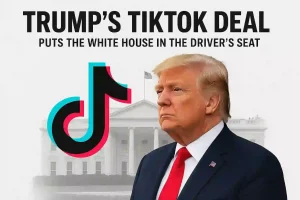
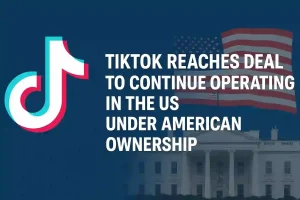
At the center of the controversy is TikTok’s parent company, ByteDance, which is based in China. Lawmakers have raised concerns that foreign ownership could create potential risks related to user data and content influence. These concerns have led to proposals that could force a change in ownership or result in restrictions on the platform’s operations in America.
But beyond politics and corporate structure, there is a deeper issue at stake: the future of free speech in the digital age.
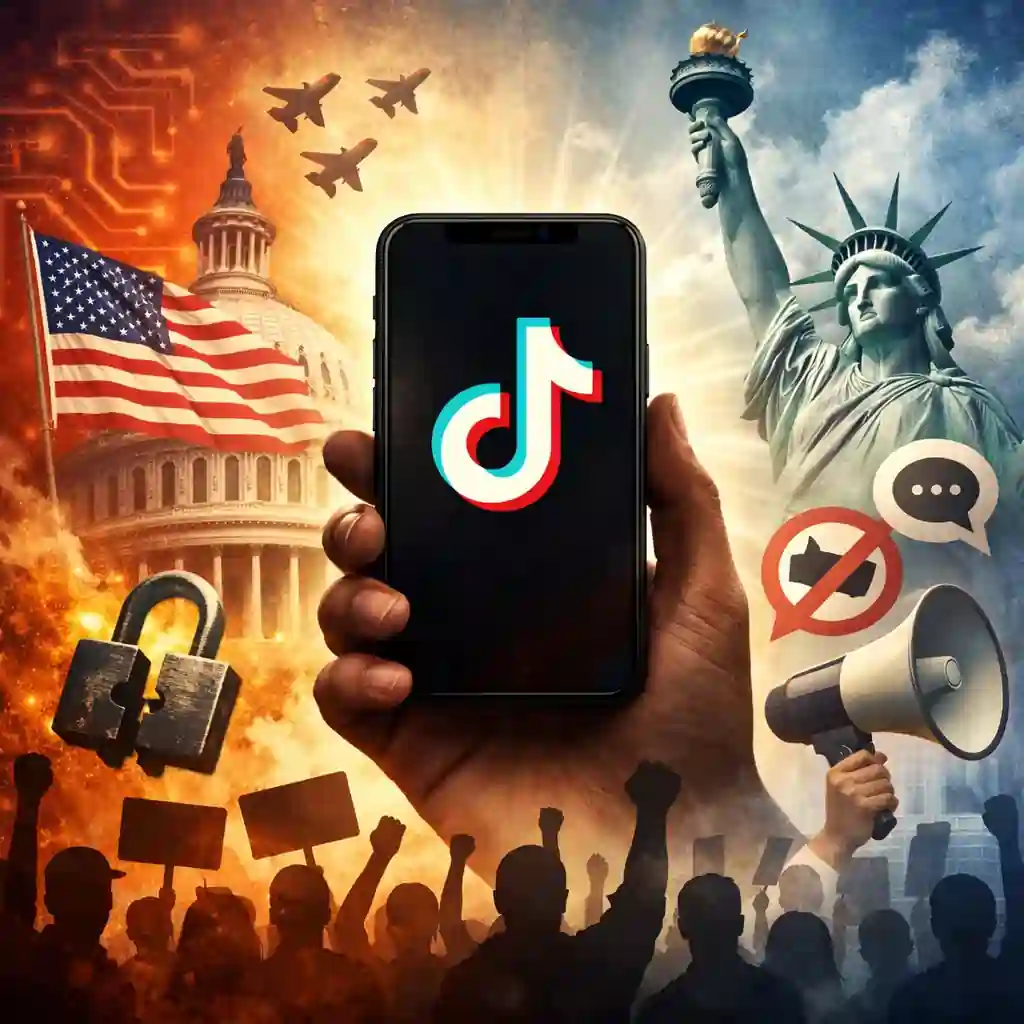
TikTok as a Modern Public Square
Social media platforms have become today’s public squares. In previous generations, people gathered in town halls, community centers, and printed newspapers to exchange ideas. Today, those conversations happen online.
TikTok, in particular, has become a powerful space for cultural exchange and political discussion. Small creators can reach millions without the backing of traditional media institutions. Young voices — often underrepresented in conventional platforms — have found a place to speak and be heard.
Limiting or banning a platform used by millions raises serious concerns about restricting expression. When governments intervene in how citizens communicate, even with security justifications, it creates tension between safety and liberty.
National Security Concerns: A Real but Complex Issue
National security cannot be ignored. Data privacy is a legitimate concern in a world where digital platforms collect significant amounts of user information. Policymakers argue that foreign ownership could expose sensitive data or allow external influence over content algorithms.
However, critics point out that data collection is not unique to TikTok. Nearly all major social media platforms gather user information and use algorithms to determine what content people see. If data privacy is the concern, broader and consistent digital regulations may be more effective than targeting a single platform.
Strong privacy laws that apply equally to all tech companies could protect Americans without limiting access to a specific app.
The Free Speech Principle
Freedom of speech is a foundational American value. It protects the right of individuals to share opinions, debate ideas, and access diverse viewpoints — even when those ideas are controversial.
Restricting access to a major communication platform impacts not only corporate ownership but also the voices of millions of users. Content creators rely on TikTok for income. Small businesses depend on it for marketing. Communities use it to organize and educate.
When access to a digital space is removed, the impact goes far beyond entertainment. It affects economic opportunity, political participation, and cultural expression.
Economic and Cultural Impact
TikTok supports a growing creator economy in the United States. Influencers, educators, musicians, and entrepreneurs use the platform to build brands and reach customers directly. For many small businesses, TikTok has become one of the most cost-effective marketing tools available.
Beyond economics, TikTok influences culture. Trends, music, fashion, and social movements often start on the platform before spreading to other media. It shapes conversations and brings niche communities together.
A strong TikTok presence in America means maintaining a competitive and innovative digital environment. Removing or weakening such platforms could reduce competition in the tech industry and concentrate power among fewer companies.
Finding the Right Balance
The real challenge is not choosing between security and freedom. It is finding a responsible balance between the two.
Protecting national interests is essential. So is protecting constitutional freedoms. Solutions such as data localization, transparent algorithm oversight, and stronger nationwide privacy protections could address concerns without silencing millions of users.
Policymakers must consider long-term consequences. Setting a precedent for banning digital platforms could influence future decisions about online speech and technology regulation.
Conclusion
The discussion surrounding TikTok is about more than ownership or geopolitics. It represents a defining moment in how America handles digital freedom.
A strong TikTok presence — with proper safeguards — can coexist with national security measures. Protecting free speech while improving digital protections should be the goal.
In the digital age, platforms like TikTok are more than apps. They are part of the modern conversation. Preserving open dialogue while strengthening security ensures that Americans keep both their safety and their voice.